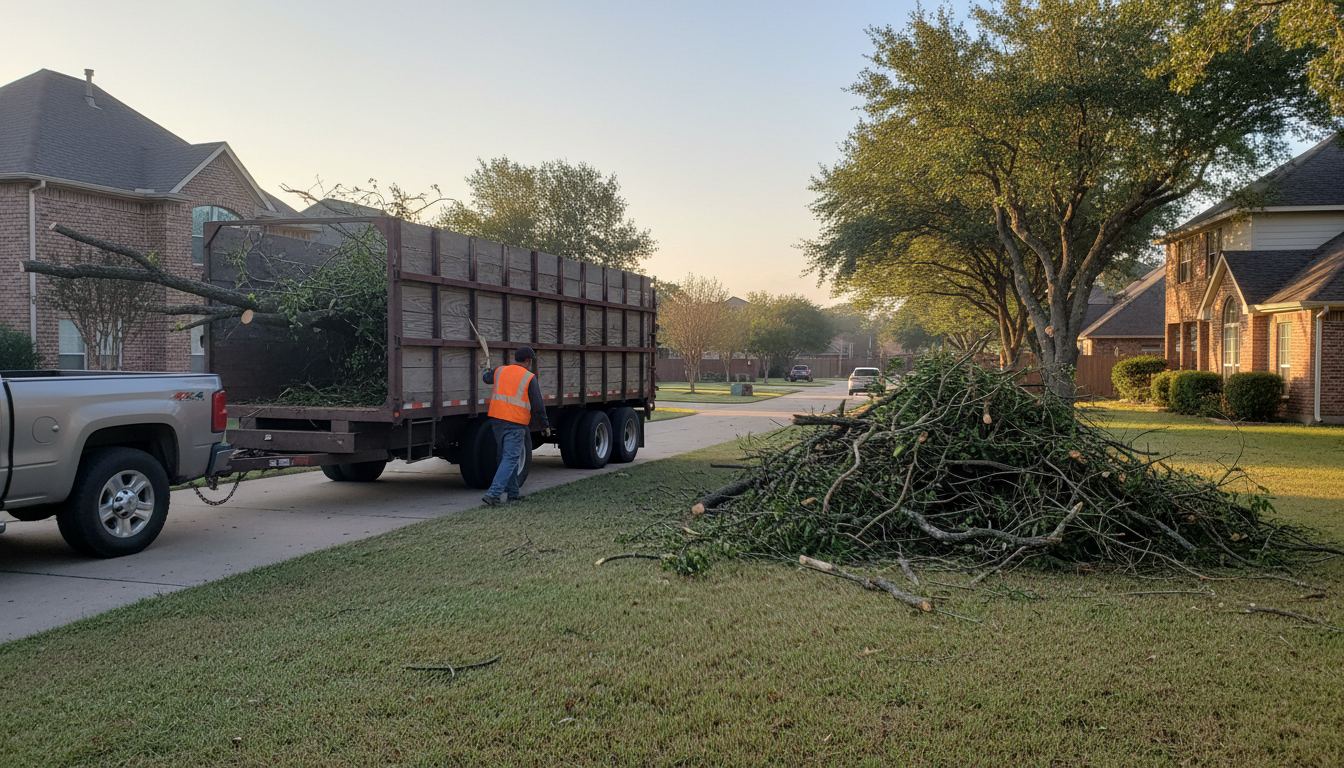
Effective Houston storm debris cleanup involves separating waste into distinct categories such as vegetation, construction materials, and hazardous items for efficient removal. Residents can choose between waiting for municipal collection services or hiring professional haulers to quickly reclaim their property and ensure safety after severe weather events.
Houston residents understand the unique frustration of waking up to a landscape cluttered with downed limbs, scattered shingles, and saturated debris after a sudden Gulf storm. This chaos is more than a simple eyesore; it represents a significant safety risk and a threat to your property's long-term integrity. Waiting for city services can often result in weeks of delay, which allows moisture to settle and pests to congregate. Taking a proactive approach to storm debris management is essential for protecting your investment and maintaining peace of mind during our volatile fall season. This guide provides an expert look at categorizing yard waste, understanding the benefits of private hauling over municipal pickup, and implementing safety protocols for construction debris. You will learn how to transition from post-storm chaos to a clean, secure property through strategic preparation and professional cleanup practices.
Understanding Houston Fall Storm Risks and Your Property
While the peak of the Atlantic hurricane season dominates local headlines in August, Houston property owners cannot afford to relax once September arrives. The period from September through November brings a unique set of meteorological risks to the Gulf Coast. Strong fall cold fronts frequently collide with warm, humid air from the Gulf, resulting in severe thunderstorms, high-wind derechos, and the unpredictable tail end of hurricane season.
These atmospheric shifts put immense stress on the city’s massive oak canopy. High-velocity winds easily snap heavy limbs and scatter debris across yards and driveways. When a storm passes, the resulting mess often includes a mix of organic waste and windblown junk that can compromise your home's safety and curb appeal. Having a clear strategy for Houston storm debris cleanup is essential for maintaining property value and preventing secondary issues like pest infestations or drainage blockages. Establishing a plan and knowing who to call for reliable junk removal in Houston ensures your property recovers quickly. Proactive preparation and a fast cleanup plan are the most effective ways to protect your investment during the volatile transition into the cooler months.
Proactive Property Prep: Reducing the Need for Houston Storm Debris Cleanup

Managing a property in Houston requires acknowledging that preparation is the best defense against high winds. While you cannot stop a cold front from bringing a derecho, you can significantly reduce the volume of Houston storm debris cleanup required by addressing vulnerabilities now. Start with your landscape. Homeowners can safely manage minor pruning, such as removing small, dead twigs or low-hanging vegetative growth that is easily reachable. However, if you spot large, dead oak limbs high in the canopy, you must hire a professional arborist. Attempting to prune heavy wood without specialized equipment is dangerous, and failing to do so invites that wood to crash through your roof or fence during a storm.
Beyond the trees, clear your gutters of leaves and sediment. Clogged gutters trap water, adding immense weight that can tear away from the house during heavy rainfall. Next, inventory your outdoor living space. Secure loose patio furniture, potted plants, and children’s toys. In high-wind events, a plastic chair becomes a projectile that can shatter a window or become tangled in a neighbor’s power lines. If you have old, broken items sitting in the yard, disposing of them now is more cost-effective than dealing with them after they have been scattered across the neighborhood.
Understanding how our process works for pre-storm clear-outs can help you eliminate potential hazards before they become storm casualties. Taking these practical steps empowers you to protect your property and minimizes the physical and financial stress of post-storm recovery. By addressing these loose items and weak branches today, you prevent them from transforming into the hazardous junk that clutters Houston streets after a major weather event.
The Immediate Aftermath: Assessing Damage and Categorizing Debris
Once the storm passes and local authorities declare it safe to be outdoors, your first priority is a careful property walkthrough. Check the perimeter for downed power lines, leaning trees, or structural damage to your roof before you begin gathering waste. To manage the mess efficiently, you must categorize your waste according to City of Houston standards, as municipal crews require strict separation of materials.
Organize your debris into three distinct piles:
Vegetative Debris: This includes loose branches, logs, and uprooted plants. Note that the city generally requires these to be unbagged for storm-specific collection.
Construction and Demolition (C&D): This category covers storm-damaged fencing, soaked drywall, ruined carpeting, and broken outdoor furniture.
Household Hazardous Waste: Keep paints, chemicals, and batteries completely separate from other materials to avoid environmental contamination.
Mixing these piles is the most common reason city pickup is delayed or denied at a specific address. Municipal contractors use specialized equipment for different waste streams; consequently, a contaminated pile often sits on the curb for weeks. While sorting is mandatory for public services, a private team can offer more flexibility. We understand that post-storm recovery is chaotic, and our Houston storm debris cleanup services are designed to help residents who need debris cleared quickly without the rigid logistics of municipal schedules. Knowing junk removal pricing upfront allows you to decide if the convenience of a professional haul outweighs the labor of manual sorting.
City Pickup vs. Private Hauling: Why Speed Matters in Houston
Houston’s municipal services face significant logistical hurdles after major weather events. The City of Houston Solid Waste Management Department frequently warns that city-wide recovery can take up to three months as crews work through a massive backlog of addresses. While the city provides free Heavy Trash services, the unpredictable schedule often leaves property owners in a state of limbo, waiting for weeks while debris sits on the curb.
In the humid Houston climate, leaving waste stationary is a risk to your property and health. Water-soaked drywall and ruined carpets quickly become breeding grounds for mold, which can spread if the materials are kept in close proximity to the home. Similarly, large piles of logs and branches provide ideal habitats for snakes, rodents, and mosquitoes. Beyond the biological risks, stagnant debris kills the grass beneath it and often triggers notices from strict Homeowners Associations.
Choosing professional Houston storm debris cleanup eliminates the uncertainty of the municipal calendar. A private team offers the agility to clear a property within days, not months. This speed is critical for residents who need to secure their perimeter or begin home repairs immediately. By opting for reliable junk removal in Houston, you ensure that your property is restored to a safe, clean state before secondary issues like pests or mold can take hold. The efficiency of a dedicated haul is often the most practical solution for maintaining property value and community standards after a storm.
Handling Vegetative Debris: Limbs, Branches, and Yard Waste
Managing the volume of organic material after a storm is often the most labor-intensive part of recovery. The City of Houston requires that all tree waste remain 'clean.' This means your piles must consist strictly of organic matter like branches, logs, and plants. Mixing in treated lumber or scrap wood will result in the city bypassing your curb during their collection runs.
The physical toll of Houston storm debris cleanup is significant, especially given the weight of water-soaked oak limbs. Dragging heavy wood to the street is a grueling process that risks back injury and property damage. Unlike municipal services that may have strict size limits or refuse bagged brush, we manage large volumes of yard waste regardless of the scale. Our team handles all the heavy lifting and loading, ensuring every branch is cleared from your lawn. Understanding how our process works can save you days of manual labor. We provide the equipment and manpower to restore your landscape efficiently, allowing you to focus on more important repairs while we handle the disposal.
Managing Construction and Water Damaged Items

The aftermath of a storm often leaves behind more than just downed branches. Secondary debris, such as busted fence panels, torn shingles, and water-soaked carpets, poses a different set of challenges. These items fall under the Construction and Demolition (C&D) category and must be kept strictly separate from vegetative waste. If you mix treated fence lumber with organic oak limbs, municipal crews will likely bypass your pile entirely, leaving you with a lingering eyesore and potential HOA fines.
Speed is essential for any items that have absorbed moisture. In Houston’s persistent humidity, soaked drywall and carpeting become breeding grounds for mold within 48 hours. Removing these materials quickly is the only way to prevent secondary property damage and protect your indoor air quality. We specialize in the rapid removal of these heavy, saturated items, including ruined patio furniture and saturated building materials. Referencing junk removal pricing allows you to plan for a comprehensive Houston storm debris cleanup that addresses both the yard and the home interior. Securing reliable junk removal in Houston ensures your property is cleared and sanitized before mold can take hold.
Safety First: When to DIY and When to Call the Professionals

Deciding between a DIY approach and hiring a professional often comes down to a risk assessment of your property. Homeowners frequently underestimate the weight of saturated materials or the volatility of a storm-damaged landscape. Never approach debris that is tangled in or touching utility lines. In these instances, contact the utility provider before touching any nearby waste. Similarly, attempting to use a chainsaw on tension-loaded branches or large hanging limbs without professional training leads to high injury rates. If a limb requires a ladder or overhead work, it is time to step back.
Professional teams utilize high-capacity trailers and specialized safety gear to manage oversized, heavy, or sharp items like shattered fence sections and water-logged drywall. One detail DIYers often overlook is the final sweep-up. Small shards of glass, rusty nails from fence panels, and organic mulch left behind can damage lawnmower blades or injure pets. Choosing reliable junk removal in Houston ensures that the entire site is cleared of these smaller hazards. Reviewing how our process works reveals that we prioritize a clean finish that goes beyond just hauling the large piles. When you evaluate junk removal pricing, you are investing in the specialized equipment and labor required for a comprehensive Houston storm debris cleanup that leaves your property truly safe.
Managing the aftermath of a Houston storm is essential for keeping your property safe and beautiful as we head into the fall season. Taking these steps now will help prevent long-term damage and ensure your yard remains a welcoming space. If you want expert help managing the heavy lifting or specialized equipment required for a thorough cleanup, our team is ready to assist you. You can explore our full range of services to find the right solution for your home; we are here to make your property restoration simple and stress-free.